


Drain services
Clogged Drain in Brownsburg, Indian
Small Company, Big Delivery!


Licensed & Insured
Fully credentialed plumbers you can trust in your home.

Fast Response
Same-day service available
Mon–Fri, 7:00 AM–5:00 PM.
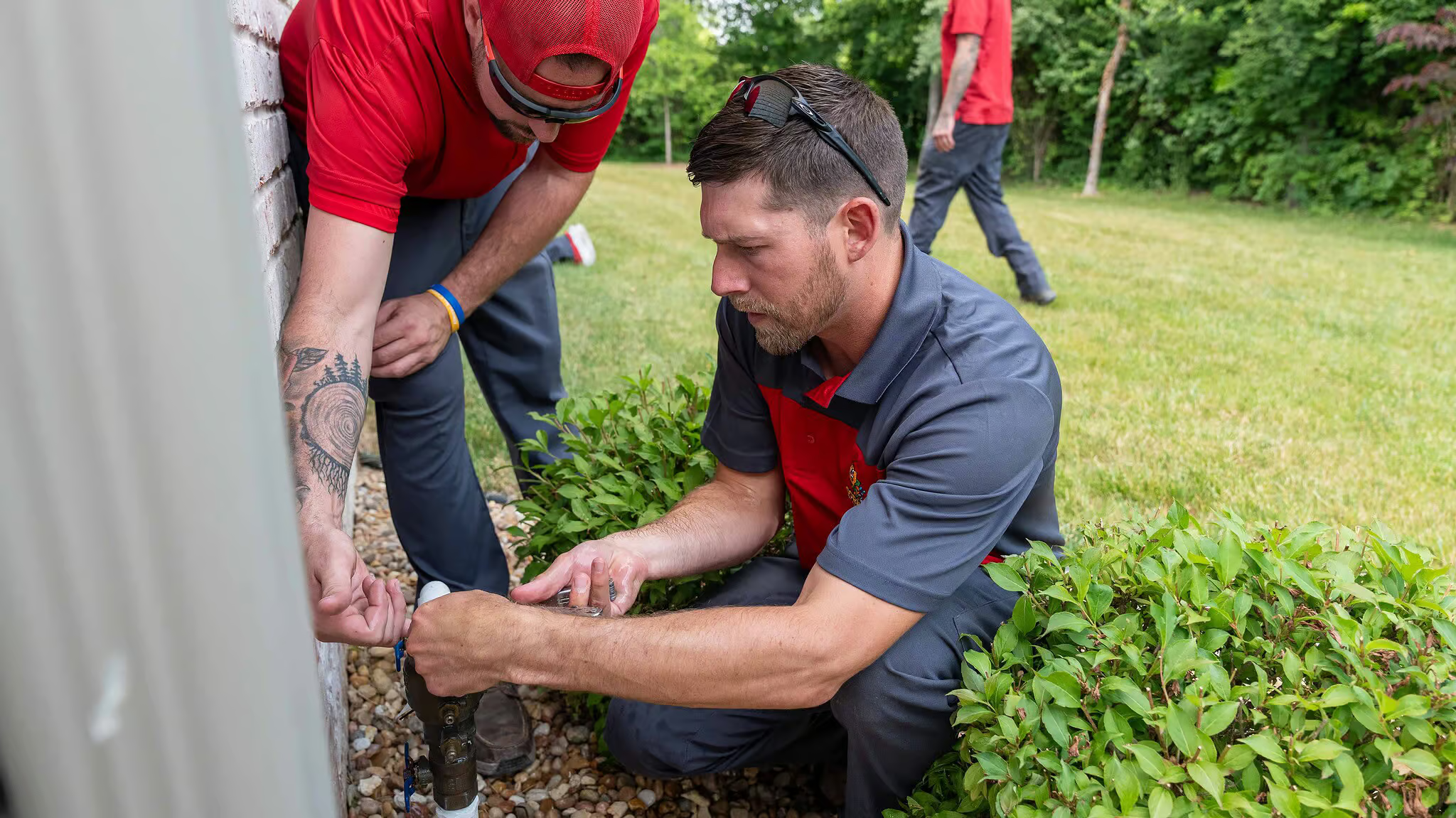
A clogged drain has a way of bringing your whole day to a halt. One minute you're rinsing dishes or stepping into the shower, and the next you're staring at a pool of water that refuses to go down. Whether it's a sluggish kitchen sink, a bathroom drain that gurgles and backs up, or a foul smell creeping out of the pipes, a clogged drain in Brownsburg, Indiana is more than an annoyance — it's often a warning that something is building up deeper in your plumbing. At Cornwell Plumbing, we help homeowners across Brownsburg clear stubborn blockages and keep their drains running the way they should.
What Causes a Clogged Drain?
Understanding what's behind the blockage is the first step toward fixing it and preventing the next one. While every home is a little different, most clogs trace back to a handful of familiar culprits:
- Hair. In showers and bathroom sinks, hair binds with soap and grime to form dense clumps that catch everything else flowing past.
- Grease and cooking oil. When poured down the kitchen sink, grease cools and hardens inside the pipe, gradually narrowing the passage until water can barely get through.
- Soap scum. Residue from bar soaps reacts with minerals in the water and coats pipe walls, leaving less room for water to drain.
- Food waste. Coffee grounds, starchy scraps, and fibrous peels don't break down easily and tend to collect into a paste that blocks flow.
- Foreign objects. Cotton swabs, wipes labeled "flushable," small toys, and other items that shouldn't go down the drain frequently get lodged in the pipe.
- Tree roots. In older neighborhoods, roots can invade underground sewer lines through small cracks and grow until they obstruct the entire line.
Most of these build up slowly, which is why a drain that seems fine one week can be crawling the next.
Request a FREE Quote
Get a fast, no-obligation estimate from a licensed pro
Common Signs of a Clogged Drain in Your Brownsburg Home
Clogs rarely announce themselves all at once. More often, your plumbing gives you subtle hints before a full blockage takes hold. Keep an eye out for these warning signs:
Slow drainage
Water that lingers in the sink, tub, or shower is usually the earliest indicator of a developing clog.
Standing water
When water pools and won't drain at all, the blockage has likely grown significant.
Unpleasant odors
A musty or sewage-like smell often means food, grease, or organic matter is decaying somewhere in the pipe.
Gurgling sounds
Bubbling or gurgling noises happen when trapped air struggles to move past a partial obstruction.
Multiple slow drains
If several fixtures slow down at the same time, the problem may sit in your main line rather than any single drain.
Catching these signs early gives you the chance to address the issue before it turns into a backup or a much larger repair.
Clogged Kitchen Sink vs. Clogged Bathroom Drain
Not all clogs are created equal, and where the blockage appears often tells us what caused it. Knowing the difference can help you describe the issue when you call and helps our team arrive ready to solve it.
A clogged kitchen sink is usually a grease-and-food story. Fats, oils, starches, and small scraps wash down during cooking and dishwashing, then accumulate along the pipe walls. Homes with a garbage disposal can still run into trouble when fibrous or starchy foods get ground up and pile up downstream.
A clogged bathroom drain, on the other hand, is typically about hair and soap. Shower and sink drains collect strands of hair that weave together with soap scum and toothpaste residue into a stubborn mat. Toilets bring their own set of issues, often involving too much paper or items that were never meant to be flushed.
Because the causes differ, the solutions sometimes differ too. Our technicians take the time to identify the source rather than applying a one-size-fits-all fix.
When to Call a Plumber for a Clogged Drain
Plenty of minor clogs respond to a plunger or a little patience. The challenge is knowing when a clog has moved beyond a simple at-home fix. It's time to bring in a professional when you notice any of the following:
- The clog keeps coming back. A blockage that returns shortly after you clear it usually means debris is still coating the pipe walls deeper in the line.
- More than one drain is affected. Multiple slow or blocked drains often point to a problem in the main sewer line.
- Water backs up in unexpected places. If running the sink or flushing the toilet causes water to rise in a nearby tub or shower, the issue is likely further down the system.
- You smell sewage. Persistent sewage odors can signal trapped waste or a sewer line problem that needs professional attention.
- Plunging and hot water aren't working. When the usual tricks fail, forcing the issue can risk damaging your pipes.
We generally steer homeowners away from relying on harsh chemical drain cleaners, since they can corrode pipes over time and often provide only temporary relief. Calling a professional helps you get to the actual source of the problem instead of masking it.
FAQS
Frequently Asked Questions
A few simple habits make a real difference. Avoid pouring grease or cooking oil down the kitchen sink, scrape food scraps into the trash before rinsing dishes, and place screens or strainers over your drains to catch hair and debris. Running hot water through the drain after use can help keep residue from settling, and being mindful of what gets flushed goes a long way toward keeping your pipes clear.
We generally recommend against them. The harsh chemicals in many liquid cleaners can react inside your pipes and gradually wear them down, especially in older plumbing. They also tend to offer only short-term relief, leaving the underlying buildup in place so the clog returns. Mechanical methods handled by a professional are gentler on your plumbing and address the root of the problem.
Yes. A small, slow drain may seem harmless, but the buildup behind it continues to grow. Left unaddressed, that pressure can lead to standing water, backups, foul odors, and even strain on your pipes over time. Tackling a clog early is almost always simpler and less disruptive than dealing with a full blockage or water damage later on.

Get Your Drains Flowing Freely Again with Cornwell Plumbing
Stubborn clogs and sluggish drains don't have to be a recurring headache. Since 1989, the Cornwell family has helped homeowners and businesses across Brownsburg, Avon, Zionsville, Pittsboro, Hendricks County, and the Greater Indianapolis area keep their plumbing running the way it should. As a family-owned company built on honest answers and upfront communication, we'll take the time to inspect your system, explain your options clearly, and recommend the right solution for your pipes.
If you're ready to put recurring backups behind you, reach out to our team today. Schedule your service online, and let's get your drains flowing freely again.

Indiana State Plumbing Contractor
License #PC10802621


 601 S Dan Jones Rd suite 2 d, Avon, IN 46123 | (317) 961-7305
- 5724 N Green St 2nd Floor, Brownsburg, IN 46112 | (317) 699-7188
- 75 E Pine St, Zionsville, IN 46077 | (317) 747-2166
- 248 N Woodridge Dr, Pittsboro, IN 46167 | (317) 318-0505
