


Do You Need a Water Softener or Drain Repair? Understanding Hard Water’s Hidden Costs


Licensed & Insured
Fully credentialed plumbers you can trust in your home.

Fast Response
Same-day service and 24/7 emergency availability.
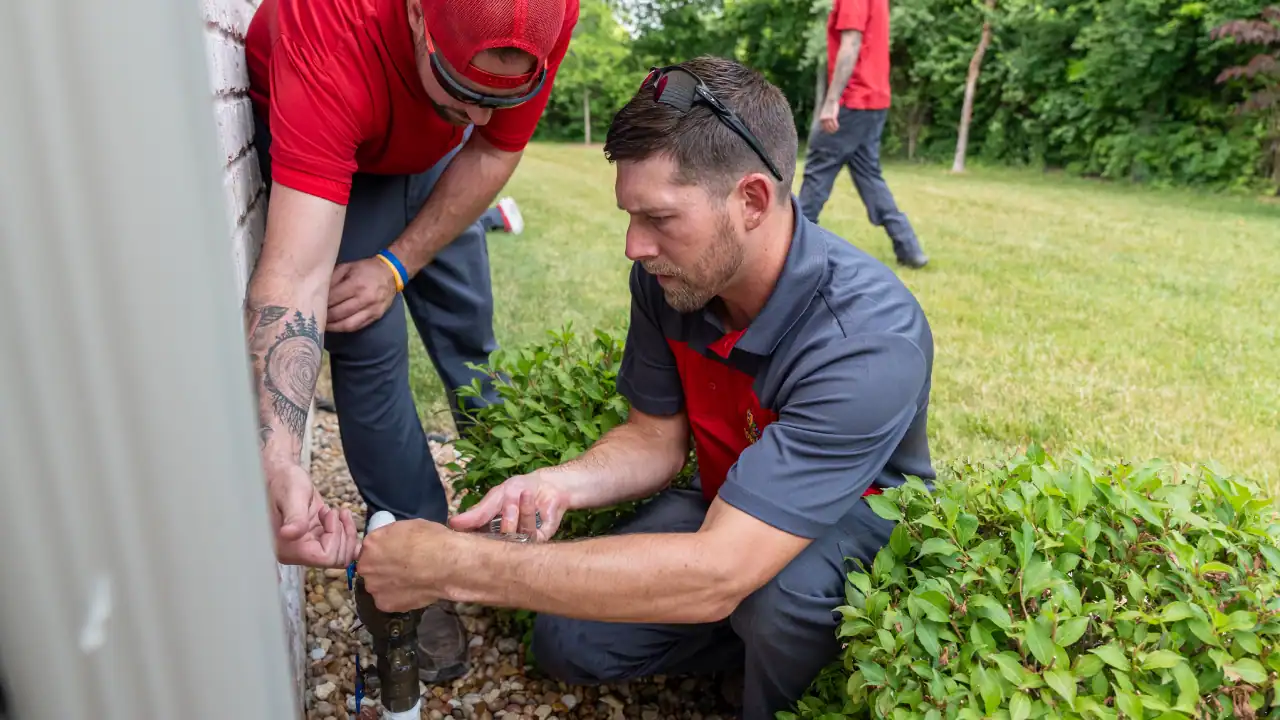
Is your toilet staining, your water heater struggling, and your drains slowing down—and you’re not sure why?If so, hard water might be quietly wrecking your plumbing.It doesn’t always show up as a major issue at first. You might notice chalky buildup on your faucets. Maybe the dishes never rinse clean. Or your skin feels dry no matter what soap or lotion you use. These small annoyances are usually the first signs that your water isn’t as harmless as it seems.What most homeowners don’t realize is that hard water doesn’t just leave behind spots and residue. Over time, it coats the inside of your pipes, your water heater, your fixtures, and your drains with mineral buildup that narrows flow, reduces pressure, and shortens the lifespan of everything it touches.If left alone, that buildup leads to clogs, backups, and expensive water drain repairs. And by the time that happens, a water softener can’t undo the damage—it can only stop it from getting worse.So, how do you know which one your home actually needs right now? Let’s take a closer look.
What Exactly Is Hard Water?
Hard water is water that contains high levels of minerals, mostly calcium and magnesium. It’s not harmful to drink, but it is rough on anything that carries or uses water.That means your pipes, your faucets, your drains, your water heater, and your washing machine are all slowly building up mineral deposits. Over time, those minerals turn into scale, and scale starts to interfere with flow, drainage, and heat transfer.
What Water Softeners Actually Do
A water softener doesn’t filter your water. It doesn’t clean it. It simply removes the minerals that cause buildup in the first place.Here’s what that changes inside your home:
- Prevents scale from forming inside pipes and fixtures
- Extends the life of water heaters and dishwashers
- Keeps drains flowing by reducing mineral crust in bends and joints
- Reduces soap scum and makes cleaning easier
- Helps avoid early corrosion in fittings and connections
If you install a softener before problems start, you save yourself from needing deeper fixes later. But once the damage is done, a softener isn’t going to remove buildup that’s already there.
Signs It Might Be Too Late for Just a Softener
If your water has been hard for years and you’re already seeing issues beyond spots on glassware, you may need more than just treatment.Here are a few red flags that point to hidden plumbing damage:
- Slow or uneven draining sinks or tubs, even after cleaning
- Frequent clogs in multiple drains
- Crusty or white buildup around faucet bases or on shutoff valves
- Hot water runs out too quickly, which could mean scale buildup in the water heater
- Noisy pipes or reduced pressure, especially in older homes
These are all signs that mineral deposits may already be interfering with your plumbing. That’s when it’s time to look into water drain repairs, not just water softening.
What Drain Repairs Might Be Needed
When minerals harden inside your drain lines, especially at low points or joints, they start narrowing the pipe. That can catch hair, food, soap, and grease more easily, creating clogs that just keep coming back.In some cases, a plumber can flush the line and remove the buildup. In more serious cases, the pipe may need to be replaced, especially if the scale has caused corrosion or blocked more than half the diameter of the pipe.Common drain repair solutions include:
- Hydro jetting to blast out mineral deposits
- Replacing sections of pipe that have hardened or collapsed
- Installing better traps or slope correction in problem areas
- Adding a water softener to prevent future buildup after the fix
So, Do You Need a Softener or Repairs?
It depends on where the damage is.
- If your plumbing is still in good shape, but you're seeing signs of hard water, now’s the time to install a softener.
- If you’re already dealing with drain problems, recurring clogs, or failing fixtures, you’ll likely need repairs first, then softening to prevent it from happening again.
A plumber can run a simple inspection to figure out where things stand and help you choose the right solution. Don’t guess. And don’t assume one fix solves every problem.
The Bottomline: Don’t Wait Until the Pipes Fight Back
Hard water doesn’t destroy your plumbing overnight. But give it a few years, and it’ll quietly ruin everything it touches. The sooner you deal with it, the less you’ll spend on repairs.If you’re not sure whether it’s time for water softeners or your drains are already slowing down, don’t wait around and hope it gets better. Get someone out who knows what to look for.Cornwell Plumbing deals with this kind of thing every day. We’ll check the system, give it to you straight, and take care of what needs fixingHard water isn’t just annoying. It’s expensive — unless you get ahead of it.

Need a Plumber Today?
Our experienced plumbers are ready to help with fast, reliable service. Get help in hours, not days.

Indiana State Plumbing Contractor
License #PC10802621


 601 S Dan Jones Rd suite 2 d, Avon, IN 46123 | (317) 961-7305
- 5724 N Green St 2nd Floor, Brownsburg, IN 46112 | (317) 699-7188
- 75 E Pine St, Zionsville, IN 46077 | (317) 747-2166
- 248 N Woodridge Dr, Pittsboro, IN 46167 | (317) 318-0505
